
Interaction Design Syllabus: What Students Learn Beyond Just UI and UX
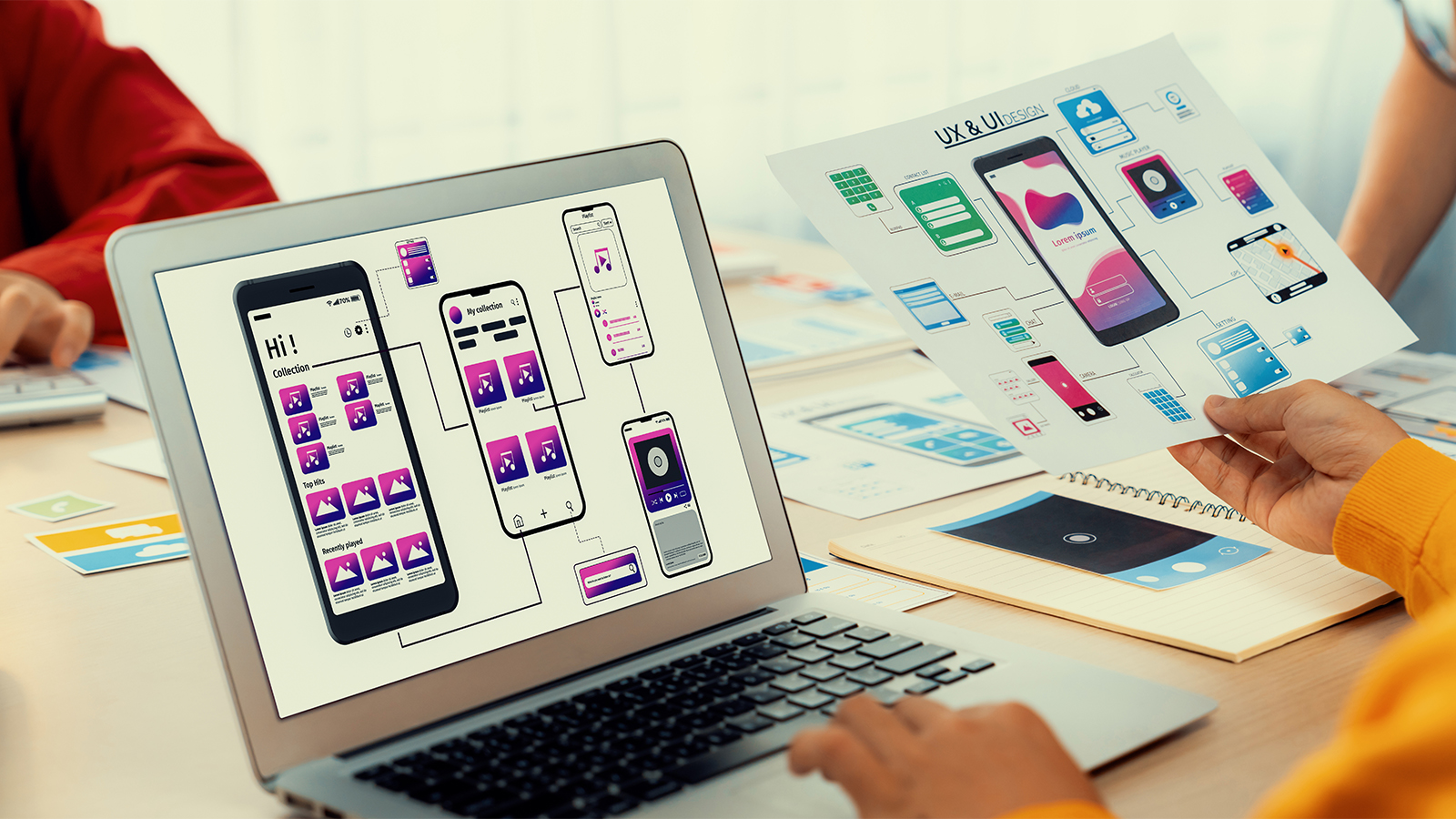
When it comes to interaction design, many students assume that it is all about making attractive user interfaces or improving the visuals of digital products. But reality is quite different!
The interaction design syllabus is designed much deeper than UI and UX alone. A structured curriculum introduces students to creativity, design thinking, digital tools as well as real design challenges. This approach explains why B.Des Interaction Design courses amalgamate artistic exploration with technological understanding for students. Also, they learn to understand user behaviour, design intuitive interfaces and create experiences, then turn those insights into meaningful experiences.
This ultimate combination of creative thinking and technical understanding makes this course an exciting option for students. It is perfect for individuals whose interest lies in designing the digital products people use every day.
Understanding the Design Behind Digital Experiences
Interaction design is the practice of shaping how people engage with digital products and systems. Designers study user behaviour and create interfaces that feel natural to navigate, efficient to use and genuinely engaging rather than just tolerable.
You run into interaction design constantly in modern life. Every time you open an app, move through a website or use a smart device, the smoothness or friction of that experience comes down to decisions an interaction designer made. The good ones are invisible. The bad ones are impossible to ignore.
Interaction design typically works across four areas-
-
Usability - making sure products are genuinely easy to understand and operate
-
Interface Behaviour - deciding how buttons, menus and elements respond when someone interacts with them
-
User Journeys - mapping the full path a person takes through a digital product
-
Digital Experiences - building interactions that actually solve real problems for real people
Because interaction design lives between creativity and technology, B.Des programmes in this field bring visual design training together with technical knowledge. Students work through design principles while also learning how digital systems behave and respond to what humans do.
Interaction Design Syllabus: Key Subjects Students Study
The interaction design syllabus is structured across multiple disciplines rather than focused on a single skill. Programmes combine creative foundations, technical tools, design thinking and industry practice and they do so in a sequence that makes sense.
Students begin with core design concepts and gradually move into digital tools, user experience principles and project-based work. By the time they reach the advanced modules, they are not just learning how to use software. They are learning how to think through a design problem and build something functional from it.
Here are the kinds of subjects students typically work through during an interaction design programme-
1. Design Foundations and Creative Thinking
Before anyone touches a digital interface, they need to be able to think visually. That is what the early semesters are for. Creative exploration and design fundamentals come first because everything else builds on them.
Common subjects include-
-
Elements of Design
-
Foundation Drawing and Painting
-
Creativity Techniques
-
Design Drawing
2. Digital Design and Technology Skills
Once the design basics are solid, the syllabus shifts into the digital tools and software that form the backbone of modern design work.
Typical subjects include-
-
Digital Design Basics
-
Digital Illustration Techniques
-
Digital Modelling and Animation
This is the stage where design creativity and technology start to properly overlap. Students are no longer just sketching ideas. They are building them.
3. Design Thinking and Problem Solving
Interaction design does not stop at visuals. Designers have to understand what people actually need and then solve for that, not just for what looks good in a mockup. That is where design thinking becomes the most important skill in the room.
Courses may include-
-
Design Thinking and Need Identification
-
Design for Social Impact
Design thinking pushes students to lead with empathy. It is one of those skills that sounds straightforward until you try applying it to a real brief with real constraints.
4. Advanced Design and Technical Skills
As students move into the later years, the syllabus introduces more specialised territory that asks creativity and technical understanding to work in tandem.
Some advanced subjects include-
-
Mechanism Design
-
Product Ergonomics
-
Computer-Aided Industrial Design and Rendering
Even in a programme focused on digital systems, understanding how products behave physically still matters. The two inform each other more than students expect.
5. Portfolio Development and Industry Preparation
The final stage of the programme is where everything a student has learnt gets turned into something they can actually show.
Subjects often include-
-
Portfolio Design and Presentation
-
Design Management and Professional Practice
-
Research Methodology
A strong portfolio is not a nice-to-have at the end of a design degree. It is usually the thing that determines whether the rest of the work gets seen at all.
Project Work and Internships in the Interaction Design Syllabus
Classroom learning alone does not produce industry-ready designers. The interaction design syllabus reflects this, placing serious weight on practical experience throughout the programme, not just at the end.
Students typically work across several types of real project engagement-
-
Product Design Projects
-
Group Design Projects
-
Internships and Training
-
Research or Industry Projects
Project-based learning is what separates students who understand design from those who can actually do it.
Why Many Students Choose Interaction Design Courses in Bangalore
Interaction design courses in Bangalore have picked up real momentum in recent years and it is not difficult to see why. Bangalore is India's primary technology and startup hub. Global firms operate alongside thousands of emerging companies and that density of industry creates consistent demand for designers who can work across UX, product and interaction roles.
For students, studying in this environment means exposure to the following while still in the programme-
-
Technology companies
-
Product design studios
-
Digital startups
-
Innovation labs
Where Can You Study B.Des. Interaction Design in Bangalore With Strong Industry Exposure?
M. S. Ramaiah University of Applied Sciences offers a four-year full-time B.Des. Interaction Design programme from its Technology Campus in Peenya, Bangalore. The programme is housed under the Faculty of Art and Design and the Department of Industrial Design, with an annual intake of 30 students.
The university has a 62-year history and holds a NAAC A+ accreditation alongside an NIRF ranking. Faculty are PhD-qualified and drawn from strong academic and industry backgrounds. The programme is supported by well-equipped studios and labs, including a PACE Lab and Concept Studio and includes a student exchange component in collaboration with global universities, something rarely offered at this level in India.
Admission is open to students who have passed Class 12th from a recognised board with a minimum aggregate of 50% in any stream. Selection is based on RUAS AT scores, though valid UCEED, NID DAT, NIFT, AIEED or CUET-UG scores are also accepted in lieu of the entrance test.
Conclusion
Interaction design is a diverse field that combines creativity, technology, psychology and hands-on project work to create effective digital experiences. A well-structured programme teaches students to observe users, solve design problems and build interactive solutions that enhance technology use.
If you're interested in a career in digital design, take the time to review the curriculum of different programmes. Check the course structure, understand the subject flow and see where your strengths align.
FAQs
1. What is a Bachelor of Design in Interaction Design?
A Bachelor of Design in Interaction Design is a degree that teaches students how to design digital products by combining creativity, technology, user research and problem-solving skills.
2. What do you study in interaction design?
Students study design fundamentals, digital tools, user experience principles, design thinking, ergonomics and project-based work to learn how to create intuitive and engaging digital interactions.
3. What are the 5 stages of interaction design?
The five stages of interaction design usually include user research, defining the problem, ideation, prototyping and testing to create digital experiences that are useful, usable and engaging.
4. What can you do with an interaction design degree?
With an interaction design degree, graduates can work as UX designers, interaction designers, product designers or UI specialists, helping companies design intuitive digital products and services.
5. How to become an interaction designer?
To become an interaction designer, students usually pursue design courses like B.Des in Interaction Design, learn digital tools, understand user behaviour and build a strong portfolio.


 ADDRESS
