
Green Engineering Revolution: How B.Tech. Mechanical Engineering is Evolving
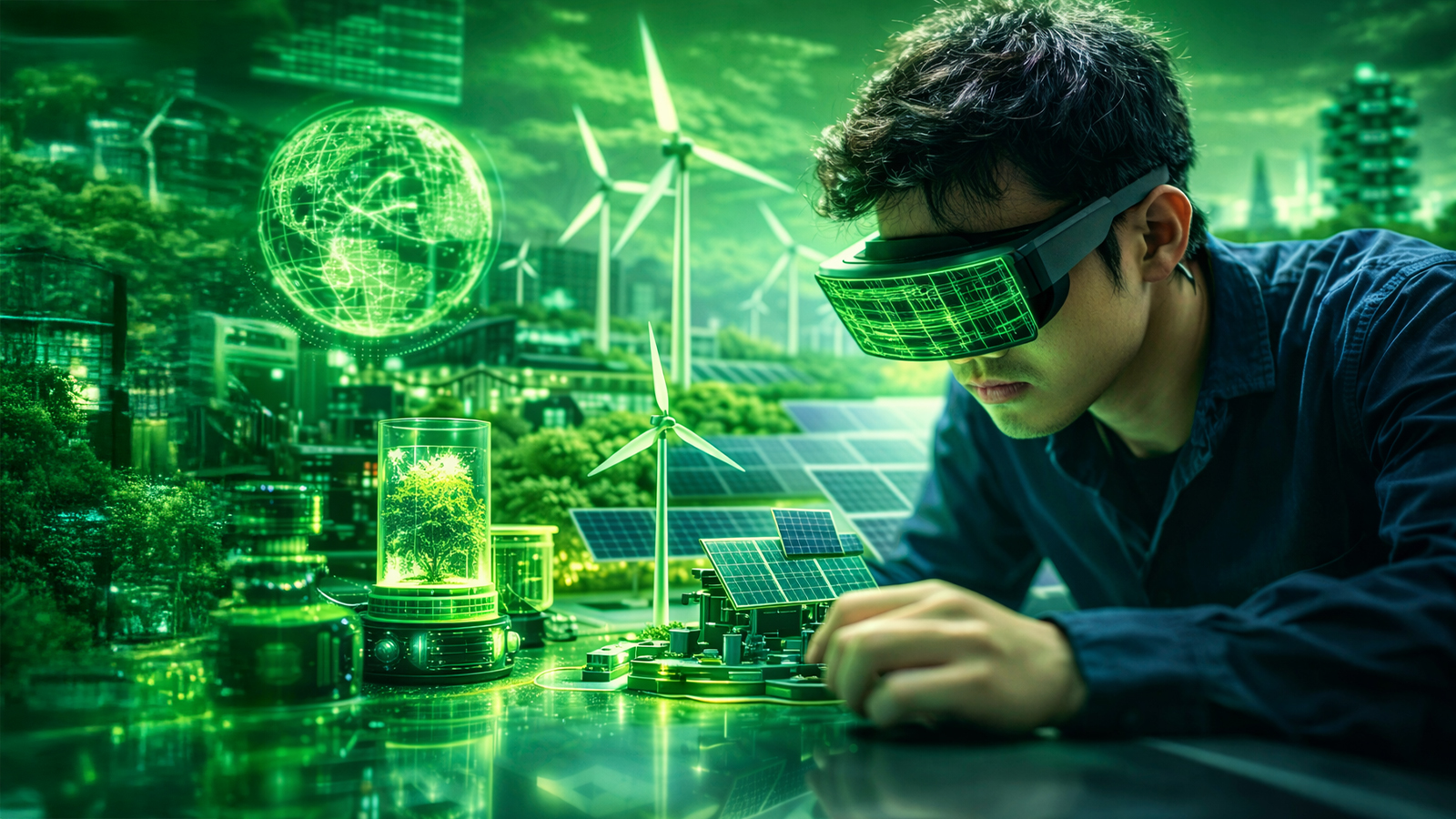
Climate change isn't just an environmental issue anymore - it's reshaping entire industries and mechanical engineering is right at the center of this transformation.
With India targeting net-zero emissions by 2070 and global demand for sustainable solutions skyrocketing, the traditional B.Tech. in Mechanical Engineering curriculum is undergoing a massive shift. Universities are integrating green technologies, renewable energy systems & sustainable manufacturing into their core programmes, preparing graduates not just to build machines but to engineer a sustainable future.
The numbers tell the story. India's renewable energy capacity is expected to reach 500 GW by 2030, while the electric vehicle market is projected to grow at 49% annually. This explosion in green tech means mechanical engineers with sustainability expertise are not just desirable. They are essential and universities are responding by fundamentally reimagining what B.Tech. in Mechanical Engineering subjects should cover.
What Makes Mechanical Engineering 'Green'?
Green engineering applies sustainability principles to every stage of design and manufacturing. It is about creating systems that-
-
Minimise energy consumption and carbon emissions
-
Use renewable or recyclable materials
-
Reduce waste throughout the product lifecycle
-
Support circular economy practices
Unlike traditional mechanical engineering, green engineering balances functionality with environmental responsibility. That means rethinking everything from material selection to manufacturing processes to end-of-life disposal.
|
Traditional Focus |
Green Engineering Focus |
|
Maximum performance |
Energy-efficient performance |
|
Cost minimisation |
Lifecycle cost optimisation |
|
Fossil fuel-based systems |
Renewable energy integration |
|
Linear production models |
Circular economy design |
How B.Tech. in Mechanical Engineering Subjects Are Adapting
The shift to green engineering is not about replacing traditional subjects, but about evolving them. Take a traditional B.Tech. in Mechanical Engineering programme from 10 years ago. You did study thermodynamics for internal combustion engines, materials science for conventional steel and aluminum as well as manufacturing focused on maximising output. Those same subjects now incorporate sustainability at every level. Let us have a look at some core subjects getting a green upgrade-
-
Engineering Thermodynamics
Now covers renewable energy conversion, heat recovery systems and low-emission engine design
-
Fluid Mechanics
Focuses on wind turbine aerodynamics, hydropower systems and energy-efficient HVAC
-
Materials Science
Explores biodegradable polymers, composites and sustainable manufacturing materials
-
Manufacturing Processes
Introduces additive manufacturing (3D printing), waste reduction techniques & automation for sustainability
But that's just the beginning! Top programmes also offer specialised electives that dive deeper into emerging areas.
For example, Computational Fluid Dynamics now focuses on optimising wind turbine blade designs as well as improving solar thermal efficiency. Power Plant Engineering shifts from traditional coal-fired systems to renewable energy installations. Advanced Materials and Process emphasises lifecycle analysis & circular economy principles.
Emerging Green Technologies in the Curriculum
Modern B.Tech. in Mechanical Engineering programmes are introducing entirely new areas of study-
|
Technology Area |
What You'll Learn |
|
Electric Vehicle (EV) Technology |
|
|
Renewable Energy Systems |
|
|
Sustainable Manufacturing |
|
|
Green Building Systems |
|
Real-World Applications & Career Opportunities
Companies are actively hiring mechanical engineers with green tech skills and the shift is dramatic. Find out more about the opportunities and recruiters in this industry-
Top Recruiters in Green Engineering-
-
EV manufacturers (Tata Motors EV, Mahindra Electric, Ola Electric)
-
Renewable energy firms (Suzlon, ReNew Power, Adani Green Energy)
-
Sustainable manufacturing units (Bosch, Siemens, ABB)
-
Green building consultancies and HVAC optimisation companies
These roles require both traditional mechanical engineering expertise and an understanding of sustainability metrics, lifecycle assessment and carbon footprint reduction.
Emerging Job Roles-
-
Sustainability Engineer
Designs eco-friendly systems across industries (Rs 5-9 LPA)
-
EV Design Engineer
Works on battery systems, motor efficiency, thermal management (Rs 6-12 LPA)
-
Energy Analyst
Optimises energy consumption in manufacturing and buildings (Rs 4-8 LPA)
-
Renewable Energy Consultant
Advises on solar, wind and hydrogen projects (Rs 5-10 LPA)
B.Tech. in Mechanical Engineering- Fees & ROI
Students often ask- Are the updated programmes worth the investment? Here's the reality.
Programmes offering comprehensive green engineering training, complete with specialised labs, industry-standard software and sustainability-focused projects typically cost around Rs 2.60 lakhs per year at reputed institutions.
That includes-
-
Access to renewable energy and sustainable manufacturing labs
-
CAD/CAE tools for green design and simulation
-
Hands-on training in EV technology and energy systems
-
Industry exposure through internships and placement support
With entry-level packages for green tech roles starting at Rs 4-8 LPA and experienced professionals earning significantly more, most graduates see positive ROI within 3-5 years, especially if they specialise in high-demand areas like EVs or renewable energy.
Leading the Green Engineering Revolution with B.Tech. in Mechanical Engineering at M.S. Ramaiah University of Applied Sciences
When it comes to preparing mechanical engineers for the sustainability challenges of tomorrow, M.S. Ramaiah University of Applied Sciences stands at the forefront. The B.Tech. in Mechanical Engineering programme at the university doesn't just teach theory - it immerses students in real-world green engineering applications through state-of-the-art facilities, industry collaborations and expert faculty.
Why Ramaiah University is the Right Choice for Green Engineering-
-
Curriculum Aligned with Sustainability
Core B.Tech. in Mechanical Engineering focuses on renewable energy, sustainable manufacturing and green design from day one.
-
World-Class Infrastructure for Green Tech
Students gain practical experience in labs like Applied Thermodynamics for renewable energy, Heat and Mass Transfer for green building technologies and more.
-
Industry Partnerships Driving Innovation
The university partners with top global institutions like MIT and the University of Illinois, as well as companies in green technology, offering internships
-
Expert Faculty with Industry Experience
Learn from professors with academic excellence and real-world expertise.
-
Comprehensive Support Ecosystem
The university features an Incubation Centre for green tech startups, a Technocentre for research and innovation and a Centre for Professional Development to enhance skills.
The B.Tech. in Mechanical Engineering programme at Ramaiah University isn't just about earning a degree, but also about becoming part of the generation that will engineer sustainable solutions for global challenges.
Conclusion
The green transformation of B.Tech. in Mechanical Engineering programme is redefining how engineers are trained, blending traditional fundamentals with sustainability-driven subjects and future-ready skills. With updated curriculum and competitive fees, students gain strong ROI and impactful careers.
Ready to be part of the green engineering revolution? Explore the B.Tech. in Mechanical Engineering programme at M.S. Ramaiah University of Applied Sciences and take the first step toward a career that makes a difference.
FAQs
1. What is B.Tech. in Mechanical Engineering?
It’s an undergraduate programme that combines core mechanical fundamentals with modern areas like renewable energy, EV technology, sustainable manufacturing and green engineering applications.
2. How much is the fee for B.Tech. in Ramaiah University?
At Ramaiah University, B.Tech. in Mechanical Engineering fees are around ₹2.6 lakhs per year, covering advanced labs, green tech training, software tools and industry exposure.
3. Does ISRO hire mechanical engineers?
Yes, ISRO regularly hires mechanical engineers for roles in propulsion systems, thermal engineering, structures and manufacturing through GATE-based and direct recruitment.
4. Is B.Tech. Mechanical good for the future?
Absolutely. With the shift toward EVs, renewable energy and sustainability, mechanical engineers with green skills are in high demand across global industries.
5. Which field is best in mechanical?
Green-focused fields like electric vehicles, renewable energy systems, sustainable manufacturing and energy optimisation offer the best growth, salaries and long-term career stability.


 ADDRESS
