
BDS Course Details: A Comprehensive Look at Dentistry’s Growing Career Path
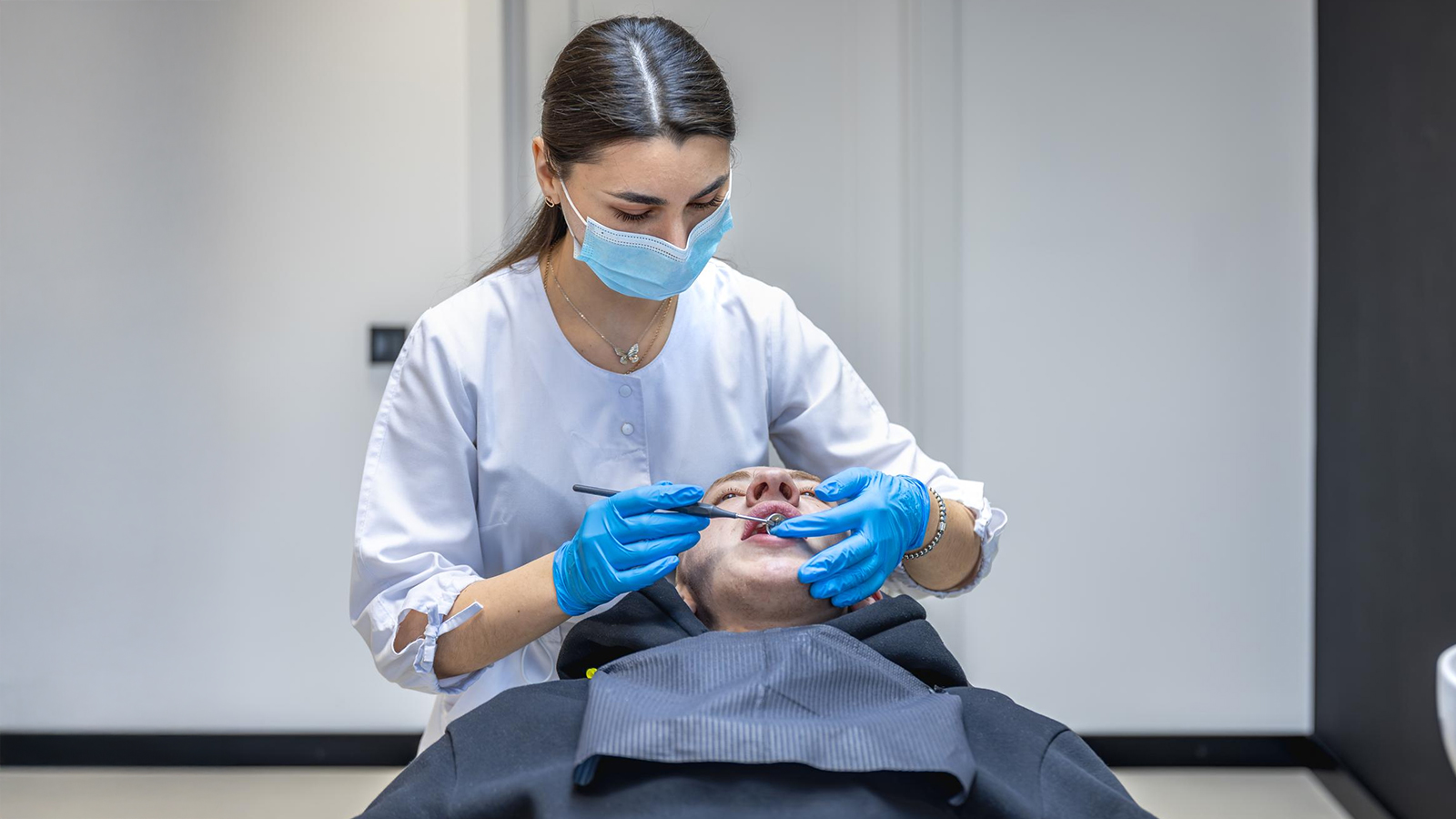
Medical education is often associated with being a doctor who performs surgery, but seldom do we think about the dental industry, where the scope is tremendous, given the staggering growth in problems related to oral health that many people face. According to the World Health Organisation (WHO), “Oral diseases affect nearly 3.7 billion people worldwide,’ making it one of the most pervasive health challenges of the 21st century. Besides that, the rising lifestyle stress, changing diets and growing aesthetic awareness have accentuated the need for skilled dental professionals who will not just be dealing with the demand crunch but will also enable people to have the best possible quality of life.
So, for those planning to step into dentistry, the scope remains huge across cities. In recent times, BDS has emerged as one of the most sought-after clinical programmes for students who want real, frontline impact. Students who are enrolling for this course remain at an all-time high. According to a report by Markets and Markets, the global digital dentistry market is estimated to grow at a CAGR of 10.9% hitting $12.2B by 2028. Meanwhile, the cosmetic dentistry industry has evolved into a multi-billion-dollar global sector. Add to that the WHO’s push for stronger primary oral healthcare and you get a profession that isn’t just stable but is evolving, expanding and in huge demand. If you are someone who loves solving problems, working with precision and improving people’s quality of life, BDS opens the door to a career where the need is real and the possibilities are wide open.
A Bachelor of Dental Surgery (BDS) sits at the intersection of science, surgery and patient care, but its relevance today is more pronounced than ever.
What is BDS?
BDS or Bachelor of Dental Surgery is one of the many professional courses that teach students how to diagnose, prevent and treat dental issues. This programme lasts for five years, which include four years of classroom learning followed by one year of mandatory internship. During this period, students learn all about the basics of anatomy and human physiology as well as advanced dental procedures, which are root canals, extractions, restorations and cosmetic treatments.
The BDS programme aims to develop innovative problem solvers, entrepreneurs and leaders. These individuals will apply their knowledge, skills and practical abilities gained through a flexible and thorough learning approach in their chosen field of study.
Glimpse into the BDS Course Details: A Quick Overview
|
Serial No. |
Course Name |
BDS |
|
1. |
Full Form |
Bachelor of Dental Surgery |
|
2. |
Level |
Undergraduate level |
|
3. |
Mode of Study |
Full-time |
|
4. |
Course Duration |
5 Years |
|
5. |
Programme Fees |
INR 3-10 Lakhs |
|
6. |
Eligibility Criteria |
10 +2 with physics, chemistry and biology as compulsory subjects. |
|
7. |
Admission Procedure |
NEET score. Or by State-Level Entrance Exams. |
Who Can Apply for BDS?
Planning to pursue BDS in India? Here's everything you need to know first.
-
You need to clear your +2 with subjects like- Physics, Chemistry, Biology or Biotechnology and English.
-
You need at least "85%" marks in the above listed subjects from a recognised board.
-
You must qualify in NEET, which is the National Eligibility cum Entrance Test. It's basically the only entrance exam that matters for dental courses in India.
-
Once you've got your NEET score and rank, you can apply for counselling. There's a seat allotment process that's handled by different authorities- national, state or sometimes the colleges themselves.
What are the Benefits of Pursuing BDS?
Based on the latest curriculum details, please take a moment to review the benefits of pursuing a BDS degree today.
1. Strong Career Demand & Job Security
-
Growing awareness about oral health is increasing the demand for dentists across India
-
High demand in both urban and rural areas
-
Rising middle-class spending on preventive and cosmetic dental care
-
Expanding dental insurance coverage encouraging more people to seek treatment
2. Diverse Career Opportunities
-
Work in hospitals, pharmaceutical companies and medical device manufacturing industries PW
-
Government jobs (hospitals, armed forces, railways, public health)
-
Private practice/own clinic
-
Academic positions (lecturer/professor in dental colleges)
-
Research opportunities
-
Corporate dental chains
-
International opportunities
3. Good Earning Potential
-
Fresh graduates start with average salary of 3 LPA and can earn up to 15 LPA with experience
-
Fresh BDS graduates earn ₹20,000 - ₹40,000 per month in government jobs & ₹ upto ₹50,000 in private sectors
-
Private practice can yield over ₹1,00,000 monthly in metro cities
-
Salary increases significantly with specialisation (MDS)
4. Respected Profession
-
Highly regarded healthcare profession
-
Strong professional credibility and trust
-
Respected role within communities
-
Recognised expertise in oral health
-
Valued for compassionate patient care
5. Work-Life Balance & Flexibility
-
Option to start own practice with flexible hours
-
Can work part-time alongside the main job
-
Better work-life balance in government positions
6. Multiple Specialisation Options
-
Advanced fields like orthodontics, periodontics, oral surgery, etc.
-
Specialisation significantly increases earning potential
7. Making Real Impact
-
Help improve people's oral health and overall quality of life
-
Relieve dental pain & enhance patients' confidence through cosmetic procedures
-
Educate patients about preventive care
8. Future Growth Potential
-
Rising demand for specialised dental services
-
Expansion of cosmetic and aesthetic dentistry
-
Growing need for preventive oral healthcare
-
Increasing opportunities in digital and laser dentistry
-
Tele-dentistry creating new care models
9. Government Benefits (for govt jobs)
-
Job stability and security
-
Pension schemes
-
Medical insurance
-
Housing allowances
-
Structured working hours
10. Entrepreneurship Opportunities
-
Can establish own dental clinic
-
Freedom to build your own brand
-
Unlimited earning potential with business ownership
BDS Course Duration
The BDS degree duration in India is 5 years. This period is the summation of 4 years of academic learning, along with practical training and a mandatory 1 year rotating internship.
In your final internship year, you'll gain hands-on experience in various dental departments, including Oral & Maxillofacial Surgery, Orthodontics, etc., which is necessary before you can start practicing as a dentist.
Types of BDS Courses
While BDS is primarily offered as a full time undergraduate programme, there are different pathways and variations you can explore depending on your goals and circumstances. Have a quick look at what's available-
|
Serial No. |
Course Type |
Description |
|
1. |
Regular Full-Time BDS |
Standard 5-year programme with daily classes, practicals and clinical training. Most common route for students. |
|
2. |
Government College BDS |
Lower fees, highly competitive admissions through NEET. Better infrastructure and subsidised costs. |
|
3. |
Private College BDS |
Same curriculum as government colleges but higher fees. More seats available, often better facilities. |
|
4. |
Deemed University BDS |
Recognised by the Dental Council of India with slightly more autonomy in curriculum. Quality education but higher fees. |
|
5. |
BDS with Integrated Programmes |
Regular BDS plus additional certifications in specialised areas like implantology or cosmetic dentistry. |
BDS Entrance Exams
To secure admission into BDS programmes in India, you need to clear entrance examinations. Here are the main exams conducted for dental admissions-
|
Serial No. |
Exam Name |
Conducting Body |
Level |
Details |
|
1. |
NEET UG |
National Testing Agency (NTA) |
National |
Primary and mandatory entrance exam for all BDS admissions in India. 180 MCQs, 720 marks, 3 hours 20 mins duration. Conducted once a year (May/June). |
|
4. |
State-Level Counselling |
Various State Authorities |
State |
Not separate exams but counselling processes based on NEET scores for state quota seats. Each state conducts its own. |
NEET UG is the only entrance exam you need to focus on for BDS admissions. All dental colleges in India, whether government or private, accept NEET scores for admission.
BDS Course Fees
The cost of getting a BDS degree varies a lot based on the type of college you choose. Have a look at this breakdown of the fees for different categories.
|
Serial No. |
College Type |
Annual Fee Range in INR |
Total Course Fee (5 Years) in INR |
|
1. |
Government Colleges |
15,000 - 60,000 |
75,000 - 3 L |
|
2. |
Private Colleges (Government Quota) |
96,000 - 1.5 L |
5 L - 7.5 L |
|
3. |
Private Colleges (Private Quota) |
1.75 L - 6.9 L |
10 L - 35 L |
|
4. |
Deemed Universities |
2.5 L - 7 L |
12 L - 35 L |
|
5. |
Management Quota (Private) |
3.12 L - 13 L |
15 L - 50 L |
BDS Career Scope & Salary
BDS graduates have diverse career opportunities across various sectors, including- government, private Also, you can work independently.
Look at this breakdown of salary expectations in India-
|
Serial No. |
Job Profile |
Experience Level |
Monthly Salary(₹) |
Annual Salary(₹) |
Work Setting |
|
1. |
Dental Surgeon (Govt Hospital) |
Fresher |
20,000 - 40,000 |
2.5 - 5 LPA |
Government hospitals PHCs CHCs |
|
3. |
Dental Surgeon (Private Hospital) |
Fresher |
25,000 - 50,000 |
3 - 6 LPA |
Private hospitals Dental chains |
|
5. |
Private Practice (Own Clinic) |
Initial years (1 - 3) |
30,000 - 60,000 |
3.5 - 7 LPA |
Own dental clinic |
|
8. |
Army Dental Corps |
Fresher |
40,000 - 60,000 |
5 - 7 LPA |
Military hospitals |
|
9. |
Lecturer/Professor |
Assistant Professor |
50,000 - 70,000 |
6 - 9 LPA |
Dental colleges |
|
10. |
Pharmaceutical Companies |
Fresher |
30,000 - 60,000 |
3.5 - 7 LPA |
Sales Research |
|
11. |
Corporate Dental Chains |
Fresher |
30,000 - 50,000 |
3.5 - 6 LPA |
Clove Dental FMS Dental, etc. |
BDS Admission Process
Getting into a BDS programme involves a clear step-by-step process. Have a look below.
Step 1: Appear and Qualify NEET UG
First, you need to appear for NEET and secure a valid score above the qualifying percentile. The exam is usually held in May and results are declared by mid-June.
Step 2: Register for Counselling
After NEET results are declared, students must register for counselling either under the All India Quota (AIQ) managed by MCC or the State Quota handled by respective state authorities. MCC manages 15% All India Quota seats while state authorities handle 85% state quota seats.
Registration Fee: You'll need to pay a non-refundable registration fee plus a refundable security deposit.
Step 3: Choice Filling and Locking
During counselling, you select and prioritise your preferred dental colleges and courses. You can fill as many choices as you want. Once you're satisfied with your preferences, lock them before the deadline. Remember, choices once locked cannot be changed.
Step 4: Seat Allotment
Based on your NEET score, rank, category, filled choices and availability, seats are allotted. The allotment results are published online on the counselling portal.
Step 5: Document Verification
If the seat is allotted, you must report to the college with your original documents for verification. Required documents include-
-
NEET scorecard and admit card
-
Your class 10 and +2 mark sheets and certificates
-
ID proof- Aadhar card, PAN etc.
-
Domicile certificate (for state quota)
-
Transfer certificate and migration certificate
-
Passport-size photographs
Step 6: Fee Payment and Admission Confirmation
First, pay the admission fee. Then, go to the college you were assigned to within the given time to confirm your seat. If you miss the deadline, you will lose your seat.
Counselling Rounds
The counseling process involves several rounds: Round 1, Round 2, Mop-Up Round and Stray Vacancy Round. If you don't get a seat in one round or want to upgrade, you can join the next round.
Why Choose M.S. Ramaiah University of Applied Sciences for Your BDS Degree?
The faculty of Dental Sciences at M.S. Ramaiah University of Applied Sciences offers a comprehensive Bachelor of Dental Surgery programme. The main goal of this BDS programme is to produce future dentists who aren't just good at what they do, but also think outside the box and solve problems across different dental fields. Below listed are the programme objectives.
The Objectives-
-
To deliver comprehensive education in Dental Health and Allied Sciences through teaching, training, workshops and seminars that meet the needs of industry and society.
-
To advance Dental Sciences through research and provide innovative solutions to real-world healthcare challenges.
-
To promote holistic healthcare and overall human well-being whilst fostering entrepreneurial thinking amongst students to create new career opportunities.
-
To build partnerships with universities, dental industries and international bodies for better learning experiences.
Overall, M. S. Ramaiah University of Applied Sciences shapes students into not only capable dentists but well-rounded healthcare professionals equipped to excel in their careers.
Conclusion
The dental industry is experiencing a boom and there's never been a better time to pursue BDS than now. With numerous oral health issues affecting billions globally and the sector experiencing rapid growth through digital dentistry and cosmetic procedures, the opportunities are significantly vast. Whether you're aiming for government job stability, private practice freedom or academic research, BDS offers a career that's both rewarding and impactful.
Yes, it requires five years of dedicated training, but if you like precision work, problem-solving and making a real difference in people's lives, this is the path for you. The scope is expanding and the first step is simple: clear NEET, choose the right college and start your journey.
At M. S. Ramaiah University of Applied Sciences, we blend DCI-recognised education with modern facilities as well as hands-on training to prepare you for success. Apply now and start your journey to becoming a confident dental professional today.
FAQs
1. What is taught in a BDS course?
In a BDS course, you learn everything about oral health and dental care. This includes-
-
Understanding the basics of human anatomy and physiology.
-
Learning how to diagnose and then treat dental problems.
-
Performing procedures like fillings, root canals, extractions and cosmetic treatments.
-
Gaining clinical experience during internships in real dental clinics.
2. Who is eligible to take BDS?
Basically, you can apply for BDS if you-
-
Have finished your +2 with science subjects like Physics, Chemistry and Biology.
-
Are comfortable with practical work and precision-based tasks.
-
Are willing to appear for the NEET exam, which is the key requirement for admission in India.
3. Why choose BDS as a career?
Many students wonder if dentistry is worth it. Well, it is. Some reasonable reasons are-
.
-
You can make a real difference in people’s lives by relieving pain and improving smiles.
-
Offers a stable and respected profession with opportunities in hospitals, private practice and research.
-
Flexibility to start your own clinic or work part-time alongside other opportunities.
4. What can I do after finishing BDS?
After BDS, you’re not restricted to one path. You can-
-
Work in hospitals or clinics
-
Join corporate dental chains or research labs
-
Teach as a dental lecturer


 ADDRESS
