
Why Food Processing & Technology Is the Next Big Career Field in India
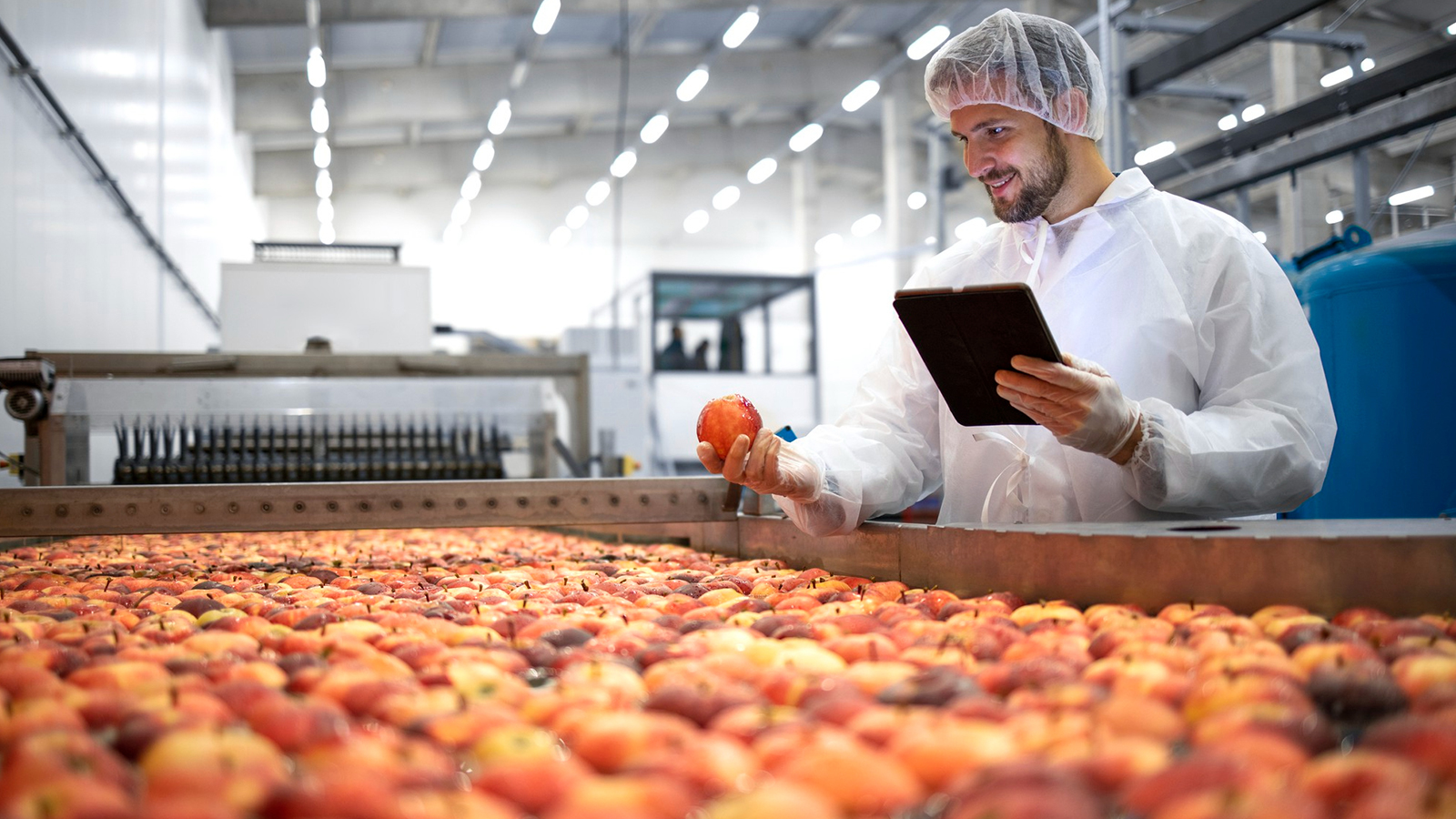
With rapid increases in demand for every type of food and drink-related consumables to feed an ever-growing population, there is an equally fast-paced enhancement in the quality and efficiency of food processing technology available at our disposal.
To ensure this, multiple entities—including corporate R&D departments, government bodies, and other essential individual personnel—have worked alongside one another for decades, ideating and incorporating innovative, groundbreaking techniques, processes and equipment that have supported the food-processing industry since the advent of industrialisation.
Since Food Processing and Technology is an ever-evolving and growing field, research and innovation-oriented career paths are a natural by-product.
What is Food Processing and Technology
In a nutshell, the process of converting raw food ingredients into processed food items is known as Food processing and Technology (FPT). This process may include cleaning, separating, combining, chemically treating to increase shelf life and decontaminate, followed by pasteurising, dehydrating, packaging and other related steps.
This is done to ensure that the food we eat:
-
Is safe to eat
-
Will last longer
-
Will taste better
-
Will reach us safely, without contamination and without being inedible
Oddly enough, food processing and technology is a blend of various fields, including Nutrition, Chemistry, Biology, Engineering and more.
However, this is not limited just to cleaning, treating, preserving and packaging the food items. Food technologists are also responsible for innovating new food products to meet the shifting global trends. Some examples of the same would be ready-to-eat meals, protein-specific snacks, alternative milks, vegan food and drinks.
Evolution of Food Processing and Technology
According to the Indian Brand Equity Foundation (IBEF), the food market of India grew to a staggering ₹30.49 lakh crore and another ₹15 lakh crore is projected to be added to this number by 2026.
There are a lot of reasons for this. However, the most notable ones are:
-
A steady rise in urbanisation, leading to a higher demand for ready-to-eat food items.
-
Rising household incomes have driven a greater demand for convenience-oriented consumption.
-
Urban diets are shifting as consumers become more conscious, seeking functional, fortified, protein-rich and plant-based foods.
-
Aggressive FMCG marketing in India has pushed demand—and supply—of processed foods.
Let us look at some other reasons for this change.
Government Support
The government has also advocated for modernisation (source: IBEF), promising major processing expansions like:
-
Approval of 41 Mega Food Parks
-
399 cold-chain projects
-
76 agro-processing clusters
-
Allowance limit for FDI in FPT increased to 100%
-
Creation of a Special Food Processing Fund
Thanks to such governance changes, the scope for technological improvement has also expanded alongside the rapid pace of innovation in the field.
Technological Upgradation
An examination of contemporary technologies that enhance efficiency, safety and quality in global food systems. These advancements are visible across the food sector through-
-
Modern cold storages upgraded with safer chemical decontamination processes that minimise harmful residues and reduce spoilage.
-
Rapid testing and quality-control systems for faster and more accurate safety checks
-
Advanced packaging methods- vacuum packing, extend shelf life and maintain freshness
-
Value addition via ready meals, nutraceuticals and dairy innovations that respond to evolving consumer needs
It is very interesting to note that not only are these reasons catalysts for better Food Processing and Technology, but also the by-products of it.
Improvements in the Supply Chain
A lot of new and innovative supply chain integrations have been credited for a rising demand in Food Processing and Technology.
-
The integration of the cold chain has lowered post-harvest losses
-
Tech-enabled logistics have created traceability of products to ensure quality retention
-
Farm-to-factory procurement had become extremely organised
-
The rise of processing clusters has made raw-material sourcing extremely efficient
Supply chain improvements have led to decreased redundancies, increased output yield and reduced spillage, all at once.
Innovations in Sustainability
Food Processing and Technology have also led to green innovations. Instead of food waste being disposed of in inefficient ways, it can now be broken down into other useful products, like pectin, fibre extracts, enzymes and more. Some other notable changes are:
-
Wastewater recycling
-
Emergence of green plants
-
Energy-efficient processing systems and chains
-
Eco-friendly and biodegradable package through R&D
Not only has this led to a cleaner approach to food-related manufacturing, but it has also created a safety net and green blueprint for future generations to benefit from.
Job Creation and Skill Demand
There has been a visible shift in the demand for Quality Assurance/Control, R&D, packaging tech and product development job profiles. Verticals like dairy, fruits, vegetables, bakery, meat, beverages and nutraceuticals have seen a rapid growth. There is a gap in talent, which is being felt by the newly expanded FMCG sectors and FPT startups.
Introducing Ramaiah University of Applied Sciences: Preparing Future-Ready Food Technologists
Ramaiah University of Applied Sciences (RUAS) is a renowned university that offers a B.Sc. (Hons.) Food Processing and Technology programme, designed for in-depth knowledge and practical exposure. Students develop industry-ready skills in the science and technology of food production, preservation as well as processing. The curriculum integrates core aspects like food microbiology, quality assurance, food engineering and nutritional aspects that play a significant role in the FPT sector.
Let’s look at why you should pursue B.Sc. (Hons.) Food Processing and Technology at RUAS-
-
A renowned establishment with a 64-year history
-
Ranked by NIRF and Accredited with NAAC A+
-
Ph.D. faculty comprising experts from top institutions
-
Two hospitals on campus to promote research and in-depth learning
-
Well-equipped labs and advanced facilities for immersive, application-based learning
-
Expert guest lectures, workshops, group projects and industry visits
The course opens career doors for budding professionals such as Food Safety Inspector, Junior Analytical Assistant (food), Food and Beverage Storekeeper, Food Technologist, Production Manager, Food and Beverage Executive and Dietitian & Nutritionist. Hence, if you are thinking about hopping into the food processing and technology industry, join Ramaiah University of Applied Sciences to build a rewarding career.
Conclusion
The rapid evolution of the Indian food industry is definitely a direct result of the advancements in Food Processing and Technology present today. Thanks to that, we enjoy safer products, smarter supply chains, sustainable practices as well as a constant flow of innovation. As the sector evolves, so does its need for qualified talent that is capable of driving this unstoppable momentum. RUAS, through its B.Sc. (Hons.) in Food Processing and Technology prepares the students to enter this high-demand field with the appropriate skills, knowledge and practical exposure it needs. For those who want to be future-ready in the FPT field, RUAS is the perfect launchpad.
FAQs
1. What is food processing and technology?
Food processing and technology involves converting raw ingredients into safe, nutritious and consumable food products through methods like cleaning, preserving, cooking, packaging and quality testing.
2. Why is food processing and technology important in India today?
It ensures food safety, reduces post-harvest losses, supports large-scale distribution, enables innovation (RTE meals, plant-based foods) and drives economic growth in a rapidly expanding food market.
3. What does a BSc Food Processing and Technology cover?
The food processing and technology course typically includes food chemistry, microbiology, processing operations, food engineering, quality control, packaging technology and hands-on training through lab and pilot-plant work.


 ADDRESS
