
MDS in Oral Medicine and Radiology: Course Overview, Syllabus and Career Scope
Dentistry is no longer the practice of fillings and extractions. With oral health gaining broader day-by-day recognition as a portal to systemic health, there has been an increased demand for specialists who are prepared to diagnose complicated diseases and interpret advanced imaging in patients who are also medically compromised. That specialisation is MDS in Oral Medicine and Radiology, a three-year postgraduate programme in dental science recognised by the DCI, which lies at the junction of medicine, diagnostics and dental science.
It is estimated by the WHO that oral diseases affect up to 3.7 billion individuals globally and oral cancer and severe periodontal disease are among the top non-communicable disease burdens worldwide. In India, oral cancer is the primary cause of all cancers, accounting for almost 30 per cent, the highest rate in the world, so the reduction of the oral cancer progression is one of the most important issues in social health.
MDS in Oral Medicine and Radiology is an attractive option to BDS graduates who want to pursue a specialisation which is as clinical as well as impactful in society. This blog breaks down the course structure, the MDS Oral Medicine and Radiology syllabus and career opportunities.
What is MDS in Oral Medicine and Radiology?
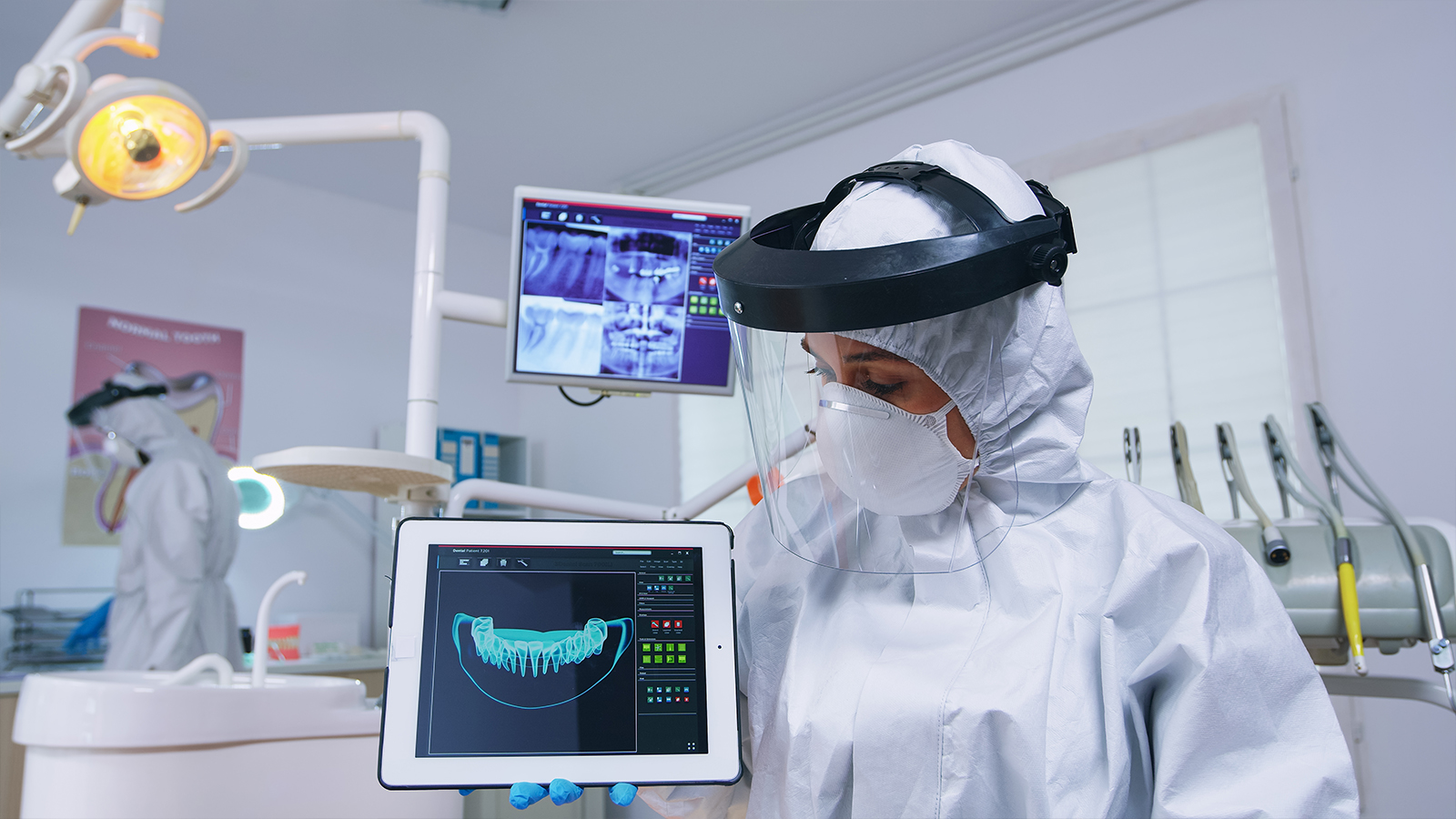
Oral medicine and Radiology is a type of dentistry that deals with the medical diagnosis and treatment of diseases that attack the maxillofacial structures and the oral cavity. It also addresses the generation and analysis of diagnostic imaging, including the traditional intraoral periapical (IOPA) X-rays to the most advanced imaging in the form of Cone Beam Computed Tomography (CBCT), MRI, CT scans and ultrasound imaging.
The health of your mouth can provide a window into your overall wellbeing. Oral Health may be the first-relating symptom an oral medicine practitioner will encounter upon discovering an individual with diseases like cardiovascular disease, blood disease, diabetes, malignancies and osteoporosis. Early awareness of these manifestations allows for the highest potential success with diagnosis and treatment of all diseases.
MDS Oral Medicine and Radiology Syllabus
In accordance with the Dental Council of India (DCI) MDS Regulations 2017, the syllabus for the MDS Oral Medicine and Radiology programme consists of 3-years of integrated modules containing both applied basic science and clinical specialisation.
Applied Basic Sciences (Year 1)
-
Anatomy of the head and neck region
-
Physiology relevant to oral structures
-
Pathology and oral pathology
-
Microbiology and immunology
-
Pharmacology and therapeutics
-
Biostatistics and research methodology
Specialisation Subjects (Years 2 & 3)
-
Oral Medicine — diagnosis and management of oral mucosal lesions, orofacial pain, salivary gland disorders and neurosensory conditions
-
Oral and Maxillofacial Radiology — radiographic techniques, film processing and interpretation of conventional and digital imaging
-
Advanced Imaging Modules — CBCT, CT, MRI and ultrasonography of the maxillofacial region
-
Clinical Therapeutics — pharmacological management of oral conditions and medically compromised patients
-
Forensic Odontology — application of dental knowledge for legal and medico-legal purposes
-
Laboratory Investigations — haematological and biochemical investigations relevant to oral diagnosis
The programme also requires postgraduates to submit a research dissertation as per DCI norms, fostering scientific inquiry and evidence-based practice.
Eligibility and Admission Process
To be eligible for MDS in Oral Medicine and Radiology, candidates must:
• Hold a BDS degree from a university recognised by the Dental Council of India
• Have completed a one-year compulsory rotatory internship
• Be provisionally or permanently registered with the DCI or State Dental Council
• Have secured at least 50% aggregate marks in BDS
• Qualify NEET-MDS — the national-level postgraduate dental entrance examination
Admissions to government dental colleges are conducted through centralised state counselling based on NEET-MDS scores, while private institutions may conduct additional selection processes as approved by their boards.
MDS Oral Medicine and Radiology Scope: Career Opportunities
The MDS Oral Medicine and Radiology area covers clinical practice, academia, research and government:
-
Oral Medicine Specialist- Diagnose and manage oral and related facial pain, mucosal diseases and systemic oral manifestations in hospitals or in practice.
-
Oral and Maxillofacial Radiologist- Interpret CBCT, MRI and CT scans to plan treatments, is a sought-after position as digital imaging becomes the norm.
-
Academic Faculty- Teach and research in dental schools both domestically and overseas.
-
Government and Defence Services- Join ESIC, Armed Forces Dental Corps or public health departments.
-
Oncology Support Specialist- Provide care to cancer patients undergoing either chemotherapy or radiation therapy related to oral complications.
MDS Oral Medicine and Radiology graduates have starting salaries of INR 310,000–10,00,000 per year and have higher earning possibilities with specialised hospital jobs and advanced academic appointments.
MDS in Oral Medicine and Radiology @ M.S. Ramaiah University of Applied Sciences
M. S. Ramaiah University of Applied Sciences (MSRUAS) has a Faculty of Dental Sciences, which provides the MDS in Oral Medicine and Radiology that is fully compliant with the DCI MDS Regulations 2017. The characteristics of the programme are notable and they include:
-
State-of-the-art CBCT facility on 3D maxillofacial imaging and head and neck diagnostic services.
-
Credential-based education that guarantees transparency and conformity to international education standards.
-
Intensive emphasis on analytic, research and entrepreneurial skills and clinical training.
-
Periodic evaluations to facilitate the self-improvement of the students and the quality of the programme.
-
NEET-MDS is the exam through which admission is done through the Karnataka Examination Authority (KEA) centralised counselling.
The university believes in training oral medicine experts who are well-grounded in the diagnostic basis and capable of playing significant roles in clinical practice, research and patient care.
Conclusion
The MDS in Oral Medicine and Radiology is a clinically and intellectually enriching career choice. Dealing not only with complicated oral illnesses and systemic symptoms but also learning to use advanced imaging methods, the experts in oral medicine are at the centre of focus of the contemporary healthcare system. The increasing awareness of the relationship between oral health and overall wellness and the rapid development of diagnostic imaging make it inevitable that the MDS Oral Medicine and Radiology scope will continue to expand in the near future.
For future postgraduates, the selection of the institution is as critical as the programme. Universities such as MSRUAS with CBCT infrastructure, clinical diversity and research-based pedagogy offer good grounds towards a successful one in the specialisation. Apply now!
FAQs
Q. What after MDS in Oral Medicine and Radiology?
A. You can work as a specialist dentist, academician, researcher or pursue fellowships and hospital-based roles.
Q. Will dentistry be replaced by AI?
A. Dentistry will not be replaced by AI, but it will assist dentists in diagnosis, treatment planning and efficiency.
Q. What is the salary of an MDS dentist in India?
A. An MDS dentist in India typically earns between ₹4–12 lakh per year depending on experience, specialisation and workplace.
Q. Is MDS a good career option?
A. Yes, MDS is a good career option for those seeking specialisation, better earning potential and advanced clinical or academic roles.


 ADDRESS
